

The “Airbnb” Saturation: Is the Short-Stay Gold Rush in Nairobi Finally Over?
Walk into any new apartment complex in Kilimani, Kileleshwa, or Westlands, and you will see the same thing. Key lockboxes hanging on the gate. A constant stream of Uber drivers dropping off travelers with suitcases. The “To Let” signs replaced by “Furnished Apartment” banners.
For the last five years, Nairobi has been in the grip of a “Short-Stay Gold Rush.” The promise was intoxicating: Why rent your apartment for KSh 70,000 a month when you could put it on Airbnb and make KSh 150,000?
It seemed like a no-brainer. But in 2025, the music is starting to change.
Many hosts who rushed into the market expecting passive millions are now facing a harsh reality: empty calendars, price wars, and the taxman knocking on the door. This begs the uncomfortable question: Is the Airbnb party over?
The “Glut” is Real (And It’s in Specific Neighborhoods)
The first rule of real estate is supply and demand. In areas like Kilimani and Kileleshwa, supply has exploded.
Five years ago, a stylish one-bedroom apartment on Airbnb was a novelty. Today, there are thousands of identical units competing for the same travelers. This oversaturation has created a “Race to the Bottom.”
- The Price War: Apartments that used to command $70 (KSh 9,000) a night are now struggling to get bookings at $40 (KSh 5,200).
- The Occupancy Trap: Many investors calculated their returns based on 80% occupancy. The reality in 2025? Average occupancy rates in saturated zones are hovering closer to 40-50%.
If your business model relies on being full 25 days a month, you are likely already bleeding cash.
The “Silent Killers” of Profit
It’s not just about fewer bookings. The cost of running a short-stay unit in Nairobi has skyrocketed.
- The KRA Crackdown: The days of flying under the radar are gone. With the Tourism Regulatory Authority (TRA) demanding licenses and KRA integrating systems to track digital platforms, taxes (including the 16% VAT for short stays and income tax) are now a mandatory line item that eats into your margins.
- The “Instagram” Standard: Guests today are demanding. They don’t just want a bed; they want high-speed fibre, Netflix, smart locks, and “aesthetic” interiors. The cost of maintaining this hotel-standard quality—replacing stained sheets, fixing broken showers, paying cleaners—is far higher than a standard long-term rental.
- Electricity Tokens: We all know the pain of Kenya Power tokens. In an Airbnb, guests leave heaters and ACs running all day. That KSh 10,000 electricity bill is yours to pay, not theirs.
The Great Pivot: Where the “Smart Money” is Going
Does this mean you should sell your furniture and quit? No.
It means the era of “easy money” is over. The market is maturing, and the smart money is pivoting. Here is how savvy Nairobi investors are surviving the saturation:
1. The Shift to “Mid-Term” Rentals
This is the hottest trend in 2025. Instead of chasing 2-night stays, investors are targeting 1-3 month bookings.
- Who is the customer? Expatriates on short contracts, “Digital Nomads” escaping the European winter, and Diaspora Kenyans back for extended holidays.
- The Benefit: You might charge slightly less per night, but you have 100% occupancy for months at a time, less wear and tear, and zero cleaning fees between days.
2. Niche vs. Generic
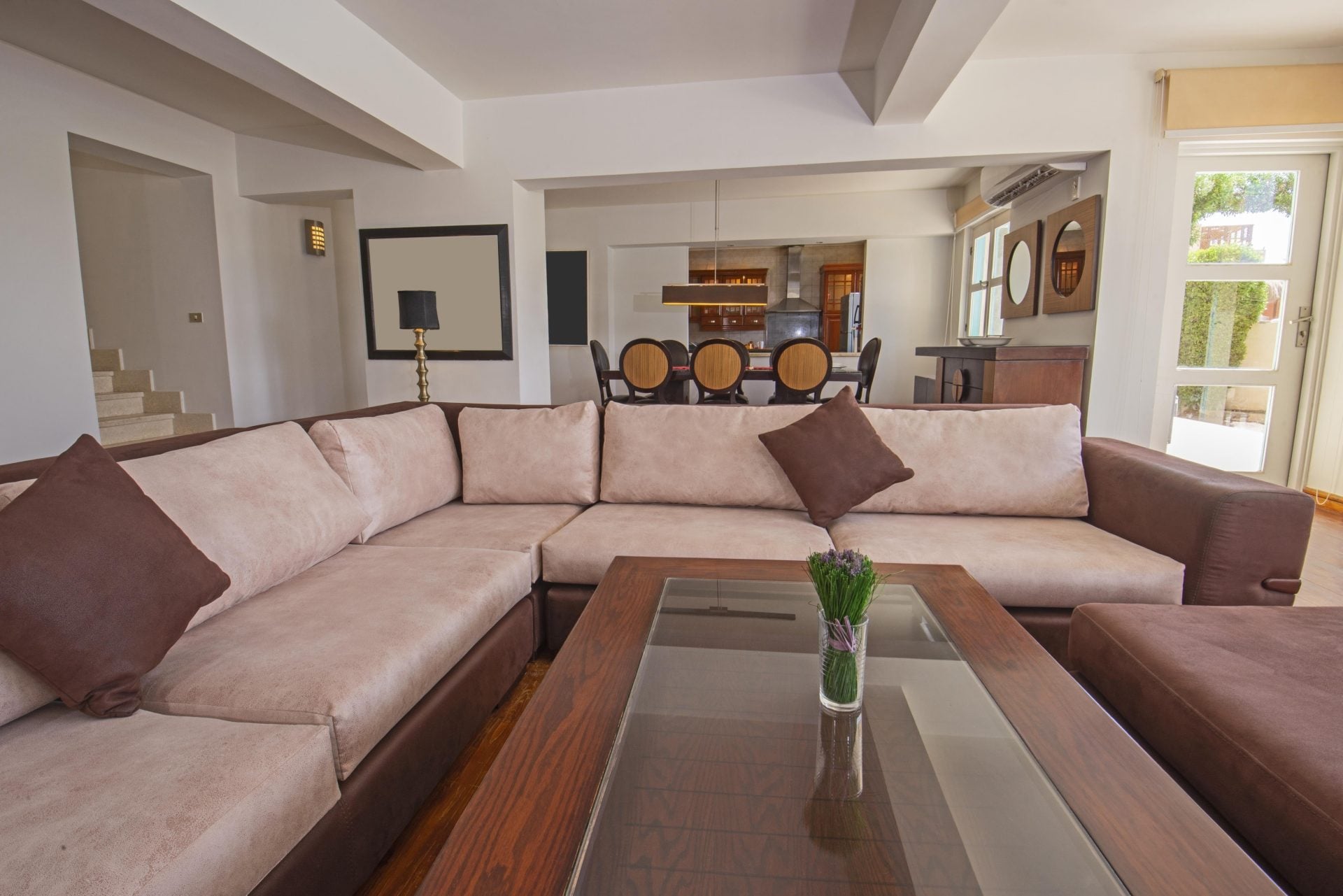
The generic “beige apartment in Kilimani” is dead. The units that are fully booked are the ones offering an experience.
- Is it a “loft” style in Industrial Area?
- Does it have a dedicated home office for remote workers?
- Is it a “green” cottage in Karen? Differentiation is the only way to survive a flooded market.
3. The Return to Long-Term
Ironically, many landlords are doing the math and realizing that the stability of a long-term tenant paying KSh 80,000 a month is actually more profitable than a struggling Airbnb that fluctuates wildly. The “peace of mind” premium is back in fashion.
How a Valuer Sees It: “Highest and Best Use”
At Danco Limited, we often get asked: “Should I furnish this unit for Airbnb or rent it out empty?”
We don’t guess. We perform a Highest and Best Use Analysis. We look at your specific location, the local competition, and the actual operating costs. Often, we find that while the gross income of Airbnb looks higher, the net income (after commissions, cleaning, void periods, and repairs) is lower than a standard lease.
The Verdict: The “Gold Rush” is over for the gamblers. But for the professional investor who treats this like a hospitality business—not a side hustle—there is still gold to be found. You just have to dig a little deeper.